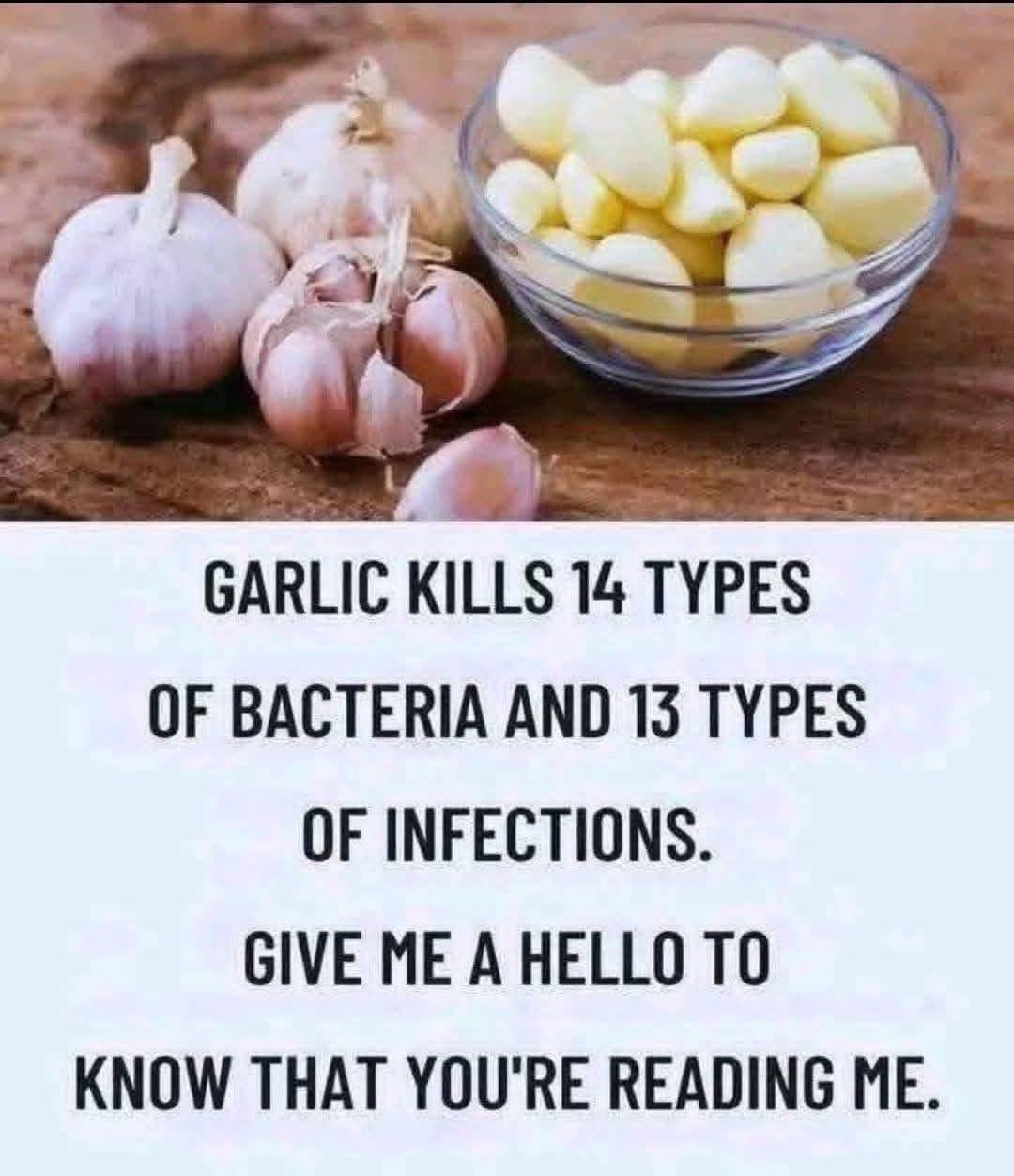
- Lab Results vs. Real-World Human Body: What happens in a petri dish does not directly translate to what happens inside the human body. The concentration of allicin needed to kill bacteria in a lab is often much higher than what can be achieved in the bloodstream by eating garlic. Stomach acid can also break it down before it reaches the bloodstream.
- It’s Not a Substitute for Modern Medicine: This claim can be dangerously interpreted to mean that garlic can replace antibiotics for serious infections. This is not true. For a systemic, life-threatening infection like sepsis, pneumonia, or a deep wound infection, prescription antibiotics are essential and life-saving. Garlic should be seen as a complementary support, not a replacement.
- Infections vs. Bacteria: The statement conflates bacteria and infections. An “infection” is the invasion and multiplication of a pathogen (like bacteria, viruses, or fungi) in the body. Saying it kills “13 types of infections” is vague. It’s more accurate to say it has been shown to be effective against the pathogens that cause certain common infections (like upper respiratory infections, yeast infections, or food poisoning).
- Preparation Matters: You can’t get these benefits from whole, uncut garlic. The enzyme needed to create allicin is deactivated by heat. Therefore:
· Most Effective: Crushing or chopping raw garlic and letting it sit for 10-15 minutes before consumption.
· Less Effective: Cooking garlic whole or immediately after crushing.
· Variable Effectiveness: Aged garlic extracts or supplements, which have different beneficial compounds but less allicin.
Conclusion: A Powerful Food, Not a Magic Bullet
