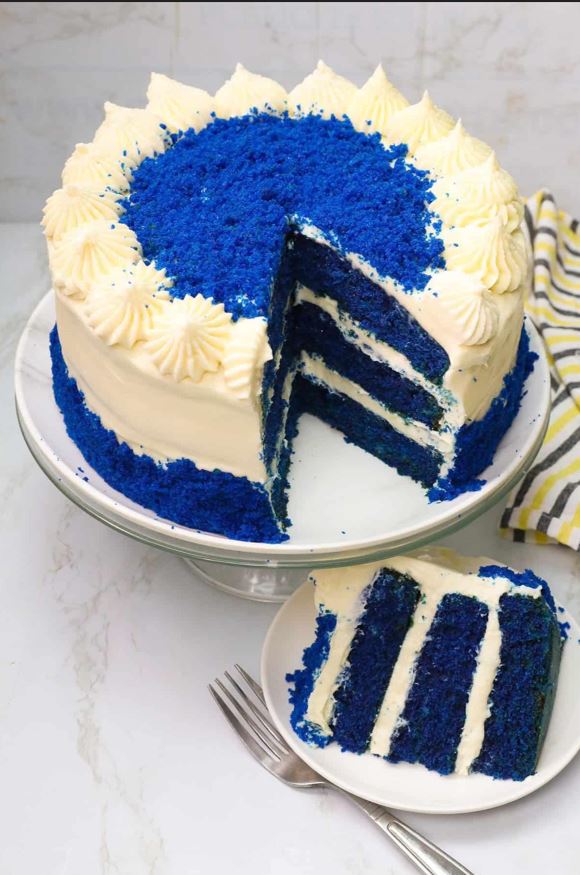
Add the Dry Ingredients: In another bowl, sift together the all-purpose flour and salt. Gradually add the sifted flour mixture to the wet ingredients, alternating with the buttermilk. Start by adding a little bit of the flour mixture, followed by some buttermilk, and continue alternating until all the ingredients are incorporated. This method prevents clumping and ensures a smooth batter. The buttermilk not only provides moisture but also helps create a tender crumb.
Mix in Vanilla: Add the vanilla extract to the batter and mix it in until fully combined. The vanilla extract enhances the overall flavor of the cake, giving it a warm, aromatic undertone.
Activate the Baking Soda and Vinegar: Finally, add the baking soda and vinegar to the batter. The vinegar, when combined with the baking soda, creates a chemical reaction that helps the cake rise and become light and fluffy. Be sure to mix gently, just enough to combine everything – you don’t want to overwork the batter at this stage.
Bake the Cake: Divide the batter evenly among the three prepared cake pans. Use a spatula to smooth the tops of the batter and ensure an even layer in each pan. Place the pans in the preheated oven and bake for about 25 minutes. The cakes are done when a toothpick inserted into the center of the cakes comes out clean or with just a few moist crumbs. If you notice the tops are browning too quickly, you can cover them loosely with aluminum foil to prevent overbaking.
Cool the Cakes: After baking, remove the pans from the oven and allow the cakes to cool in the pans for about 10 minutes. Then, turn the cakes out onto a wire rack to cool completely. It’s important to let the cakes cool thoroughly before frosting to prevent the frosting from melting or sliding off. You can also refrigerate the cakes for faster cooling if you’re in a hurry.