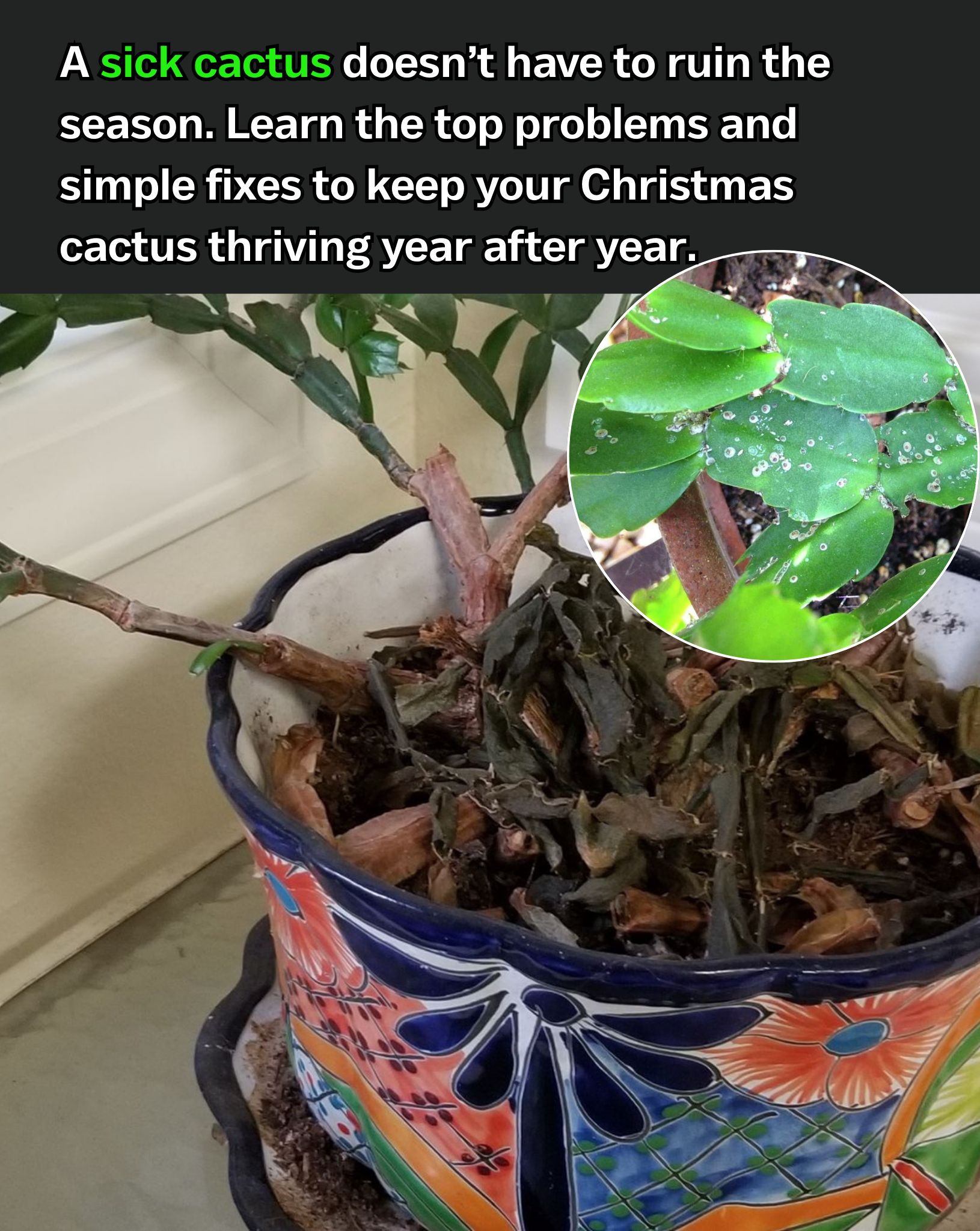
Look for blackened or brown areas on the stems and roots, which often spread quickly. Plants may exhibit sudden wilting, even though the soil is moist.
In advanced stages, the plant may collapse entirely due to the extensive damage to its root system.
How To Prevent
Avoid overwatering and ensure your pot has proper drainage.
Elevating pots off the ground or placing them on a dry surface can also help reduce the risk of contamination.
Keeping plants in well-ventilated areas can further limit the spread of water molds.
How To Treat
Remove and discard infected plant parts immediately. Replant in fresh, well-draining soil, and apply a systemic fungicide to help protect the remaining healthy plant.
Repeat fungicide applications as directed to ensure the disease doesn’t reappear.
7. Leaf Spot Disease
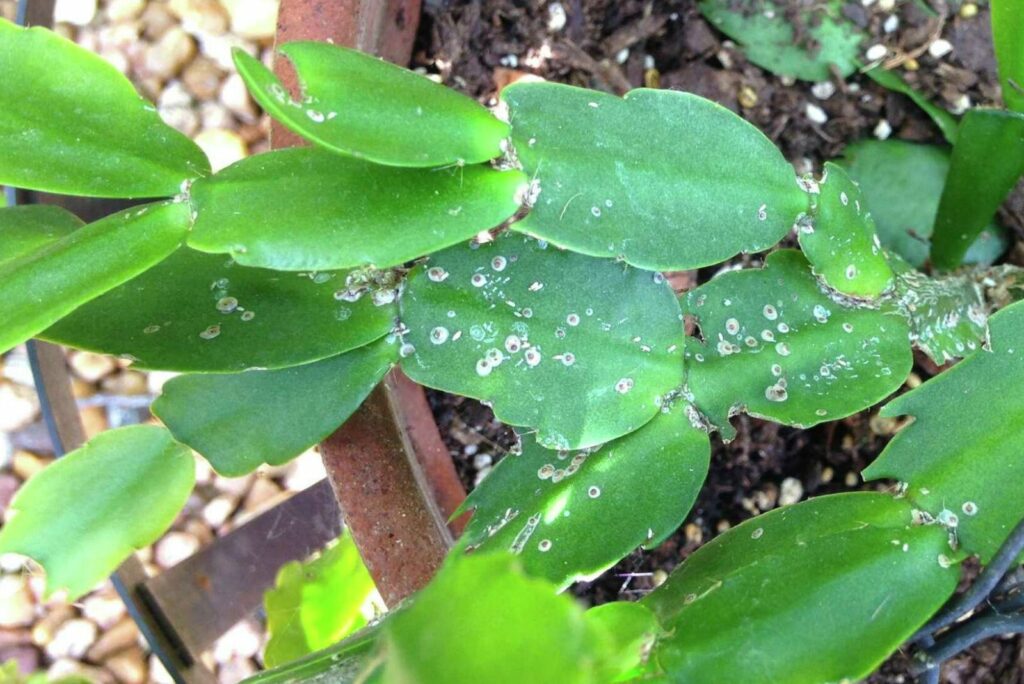
Leaf spot disease is caused by fungal or bacterial pathogens and often appears when humidity levels are too high. (7)
How To Identify
Circular, water-soaked lesions that eventually turn brown or black may appear on the leaves and stems of your Christmas cactus.
These spots can enlarge over time and merge, potentially leading to leaf drop if the infection is severe.
How To Prevent
Reduce humidity around your plant and avoid overhead watering. Maintain good airflow and prune any overgrown areas to prevent crowded foliage.
Always sterilize pruning shears to avoid spreading the disease during maintenance.
How To Treat
Remove affected leaves and use a copper-based fungicide to prevent the disease from spreading.
Ensure infected plant material is disposed of properly and not added to compost piles.
8. Fusarium Wilt
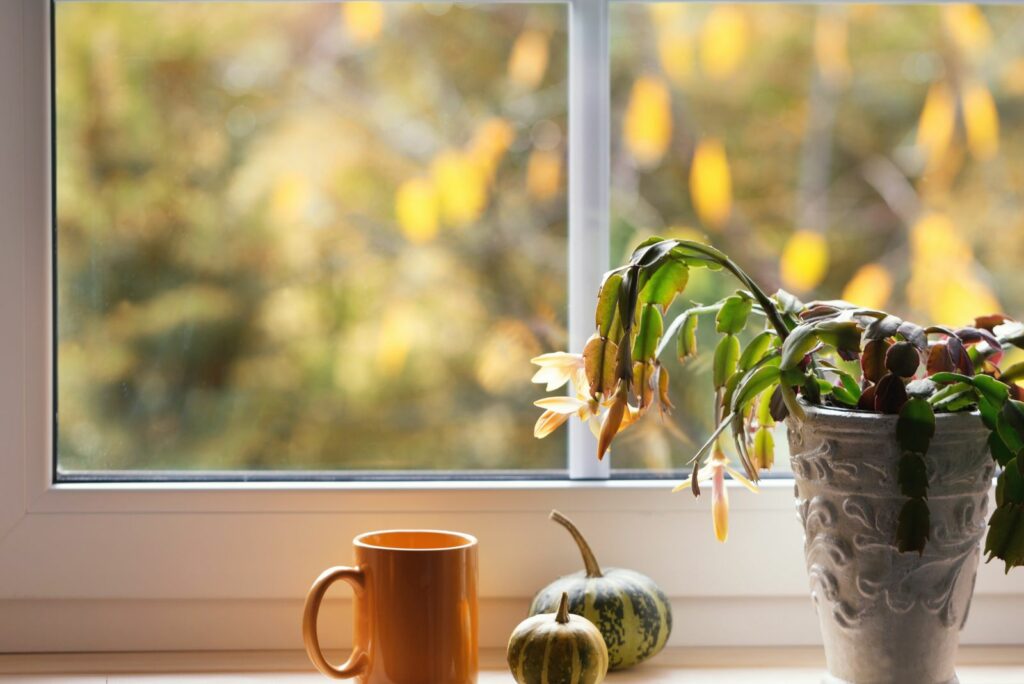
Fusarium wilt is a soil-borne fungal disease that can cause significant damage to Christmas cactuses if left untreated. (8)
How To Identify
Symptoms include yellowing leaves, wilted stems, and discolored vascular tissue visible in cut stems.
Over time, the plant may lose its ability to absorb water and nutrients, resulting in stunted growth or death.
How To Prevent
Use sterilized potting soil and ensure your tools are clean to avoid introducing the fungus.
Avoid overwatering, as Fusarium thrives in soggy conditions. Regularly inspect the plant for early signs of infection to act promptly.
How To Treat
Cut away infected plant parts and repot the plant in fresh, sterile soil. Applying a fungicide may help control the spread of the disease.
For severe cases, propagating healthy cuttings might be the only way to save the plant.
9. Anthracnose
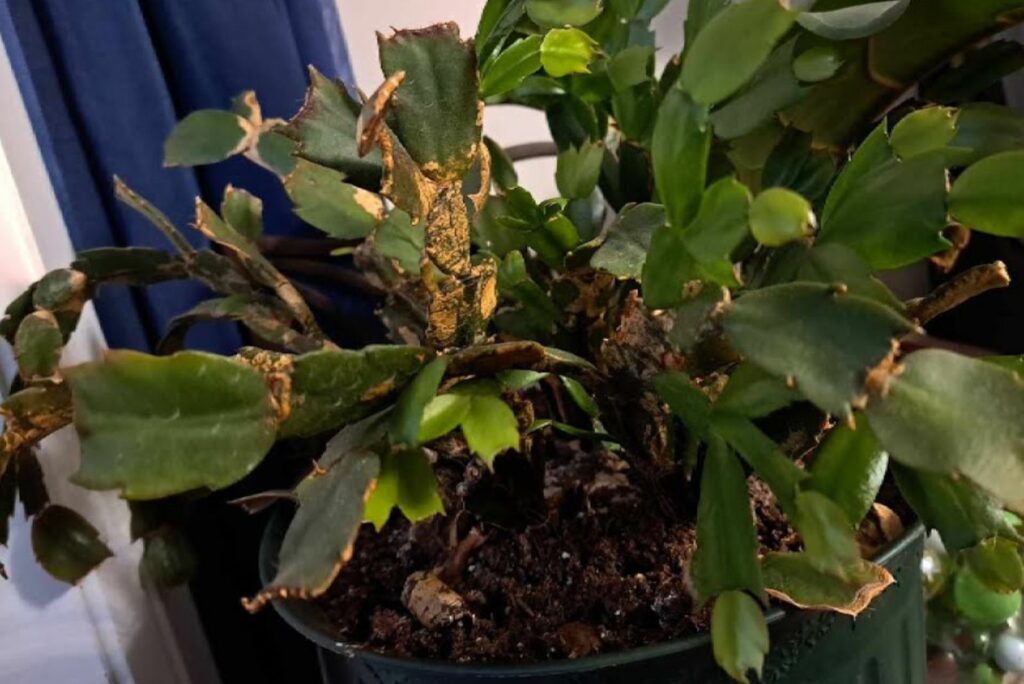 Anthracnose is a fungal disease that affects many ornamental plants, including the Christmas cactus, especially in humid conditions. (9)
How To Identify
Brown, sunken lesions on leaves and stems, sometimes with pinkish spore masses, are common signs of anthracnose.
These lesions may eventually cause the affected parts to dry out and fall off, weakening the plant over time.
How To Prevent
Water at the base of the plant and keep the foliage dry.
Regularly remove debris and fallen leaves from around the plant to eliminate fungal spores.
Consider using a fungicide as a preventative measure if anthracnose is common in your area.
How To Treat
Prune and dispose of infected parts and apply a broad-spectrum fungicide as recommended on the label.
Be consistent with treatments, as the fungus can linger in the environment and re-infect the plant.
10. Bacterial Soft Rot
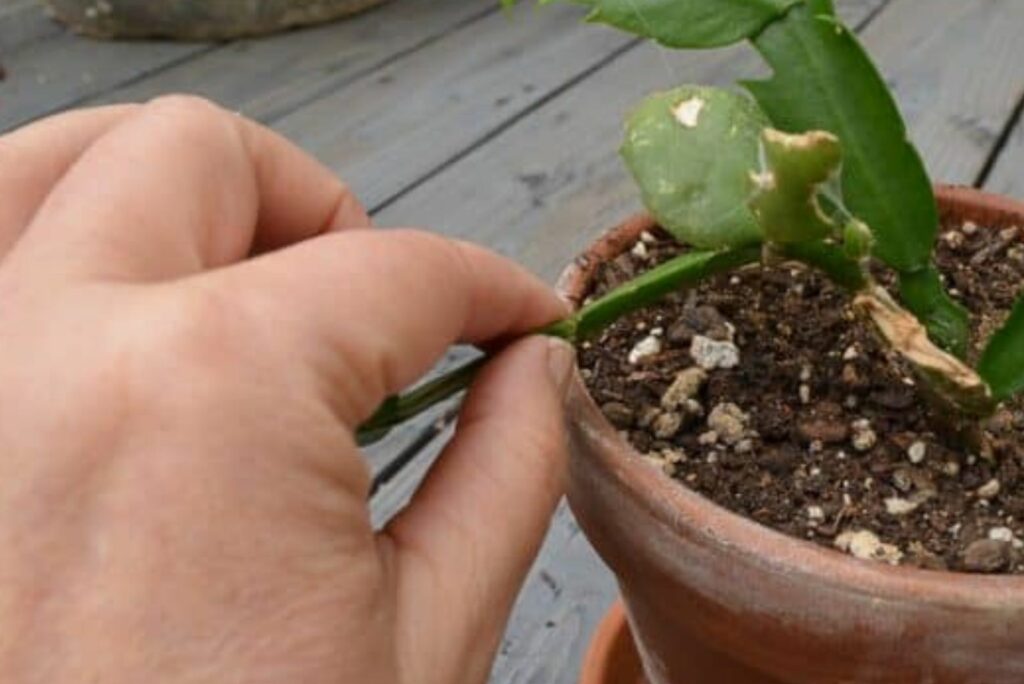
Bacterial soft rot is a serious disease caused by Erwinia species, which can rapidly decay plant tissue. (10)
How To Identify
Soft, mushy areas on stems and leaves, often accompanied by a foul odor, are signs of bacterial soft rot.
These areas can quickly spread, leading to significant tissue breakdown and loss of structural integrity.
How To Prevent
Ensure proper drainage and avoid any wounds on the plant, as bacteria often enter through damaged tissue. Sterilize tools before use.
Keeping the plant in a low-humidity environment can also minimize the risk of bacterial growth.
How To Treat
Remove affected tissue and repot your Christmas cactus in fresh soil. Treat the remaining plant with a bactericide to prevent further spread.
If the plant is severely infected, you may need to take healthy cuttings for propagation and discard the rest of the plant.
I know how disheartening it can be to see your Christmas cactus in distress, so work on prevention. If any disease occurs in your holiday cactus, follow our methods to treat it!
